
"seed funding"
500 article(s) found

A brief introduction to the cultivation of Costa Rican Yerzaro Coffee, Geographic location, Climate and altitude
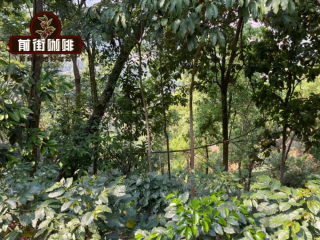
All the coffee trees planted in Costa Rica are Arabica coffee trees. through improvement, the quality of coffee beans is better and more stable. in order to facilitate picking, coffee trees are kept at a height of about 2 meters through continuous pruning. The coffee that people eat is the taste of the seeds in the fruit that are brewed in water. After picking raw coffee beans, the peel, pulp, seed film and sun exposure must be removed.

Coffee producing area distribution map introduction to the description of the environment and flavor of the planting areas in the five major producing countries
Coffee producing area distribution map description of the environment and flavor of the five major producing countries introduces the unique and mild taste of coffee. El Salvador is one of the small countries in Central America with a dense population. The flavor of its coffee is characterized by excellent balance. Today, this coffee accounts for 40% of the country's exports. 35% of the extra hard beans come out after the best quality coffee comes out from January to March.
What is the difference between the origin, producing area, processing plant, cooperative and manor of coffee beans?
The concept of boutique coffee has been introduced into China for some years, and we often see all kinds of coffee growing areas, manors, processing plants and cooperatives on the bean list. With so many categories, can we tell what they represent? Fine Coffee (SpecialtyCoffee)

Fine coffee with soft, fragrant and full-grained flavor in Rwanda Coffee Manor.
Coexist. The primary school has an 8-year system and the middle school has a 6-year system. Education accounts for about 20% of the state budget every year. The illiteracy rate is 49%. In 1991, there were 11789 public primary schools, 900000 primary school students, 16,394 primary school teachers, 77 public middle schools, 16 private middle schools, 20,789 middle school students and 1,469 middle school teachers. There are 323 comprehensive rural handicraft centers with 32,660 students.

Open a profitable cafe, time is spent washing cups, talking bullshit!
I'm fed up with the nine-to-five life and the daily infighting in the office, and I don't want to see the boss's face all day. So he decisively threw the resignation letter on the boss's desk and began to imagine what the ideal cafe looked like. At three o'clock in the afternoon, the sun shines through the large glass windows on the dining table, the air is filled with the smell of books and coffee, soothing piano music makes people feel at ease, the old on the white wall

The characteristic story of Costa Rican coffee producing area introduction to the flavor and taste of Costa Rican red honey coffee beans
For more information on coffee beans, please follow the Coffee Workshop (Wechat official account cafe_style) Costa Rica is a republic in Latin America bordering Panama and Nicaragua on the north and south of the country (both very famous coffee bean producing areas). Compared to most coffee in Africa

Ethiopian decaf & Organic Coffee Gucci-Saxcot carbon dioxide decaffeinated
Professional baristas Please follow the Coffee Workshop (Wechat official account cafe_style) Ethiopian Gujisakot decaffeinated this organic coffee is decaffeinated only with carbon dioxide, making this coffee 100% natural and recyclable. Suke Quto Farm was established in 2005, and the original idea was to preserve the conditions of native shady forests.

Can coffee be relieved at coffee farms in Kenya?
Kenya is bordered to the north by Ethiopia, the origin of Arabica coffee trees, but it was not until the beginning of the 20th century that coffee cultivation began. In the 19th century, missionaries introduced Arabica trees from the leaves, but did not plant them in large quantities. It was not until 1893 that coffee was cultivated on a large scale because of the introduction of Brazil's ancient bourbon seeds. That is to say, Kenyan coffee is of Brazilian origin, because of water.

Washed Kenyan Arabica Coffee
Kenya is bordered to the north by Ethiopia, the origin of Arabica coffee trees, but it was not until the beginning of the 20th century that coffee cultivation began. In the 19th century, missionaries introduced Arabica trees from the leaves, but did not plant them in large quantities. It was not until 1893 that coffee was cultivated on a large scale because of the introduction of Brazil's ancient bourbon seeds. That is to say, Kenyan coffee is of Brazilian origin, because of water.

Introduction to the subclassification of common coffee varieties in cafes
For the exchange of professional baristas, please pay attention to the coffee workshop (Wechat official account cafe_style) coffee beans are divided into three original systems: Arabica coffee beans, also known as Arabica coffee beans, robusta coffee beans, also known as Congo coffee beans, Libyan coffee beans, also known as Liberian coffee beans, there are more than a hundred common cultivated species in the world today, mostly belonging to three original systems and several hybrids.

Kenyan Coffee Origin Esopia Coffee production area introduces boutique coffee
Kenya is bordered to the north by Ethiopia, the origin of Arabica coffee trees, but it was not until the beginning of the 20th century that coffee cultivation began. In the 19th century, missionaries introduced Arabica trees from the leaves, but did not plant them in large quantities. It was not until 1893 that coffee was cultivated on a large scale because of the introduction of Brazil's ancient bourbon seeds. That is to say, Kenyan coffee is of Brazilian origin, because of water.

Kenya coffee production introduction three beans guest coffee roaster
Kenya borders Ethiopia to the north, where the Arabica coffee tree originated, but coffee cultivation did not begin until the early 20th century. Missionaries introduced Arabica trees from Yemen in the 19th century, but they did not plant them in large quantities until 1893, when they introduced the ancient seeds of Bourbon coffee from Brazil. Coffee in Kenya is of Brazilian descent.

Introduction of Coffee Origin-Asian "Sri Lanka, Bali, Yunnan, China"
For professional baristas, please follow the coffee workshop (Wechat official account cafe_style) Sri Lanka, formerly known as Ceylon. Sri Lankan black tea and Ceylon black tea refer to the same thing. In 1658, the Dutch grew coffee in Ceylon (present-day Sri Lanka), but the coffee was sufficient for economic development until the 19th century. At this time, Britain occupied Ceylon and launched a variety of cash crops.

What kind of coffee are there in Kenya coffee fruit producing areas? Kenya
Kenya Coffee is the origin of Arabica coffee trees in Kenya, but it was not until the beginning of the 20th century that it began to cultivate coffee. In the 19th century, missionaries introduced Arabica trees from leaves, but did not plant them in large quantities. It was not until 1893 that coffee was cultivated on a large scale after the introduction of Brazil's ancient bourbon seeds, that is, Kenyan coffee.

Kenya Coffee Bean Flavor Kenya Coffee Bean Origin Fine Coffee
Kenya borders Ethiopia to the north, where the Arabica coffee tree originated, but coffee cultivation did not begin until the early 20th century. Missionaries introduced Arabica trees from Yemen in the 19th century, but they did not plant them in large quantities until 1893, when they introduced the ancient seeds of Bourbon coffee from Brazil. Coffee in Kenya is of Brazilian descent.

Kenya Coffee-introduce how to debug the coffee grinder
Kenya is bordered to the north by Ethiopia, the origin of Arabica coffee trees, but it was not until the beginning of the 20th century that coffee cultivation began. In the 19th century, missionaries introduced Arabica trees from the leaves, but did not plant them in large quantities. It was not until 1893 that coffee was cultivated on a large scale because of the introduction of Brazil's ancient bourbon seeds. That is to say, Kenyan coffee is of Brazilian origin, because of water.

Introduction to the flavor of Kenyan coffee
Kenya is bordered to the north by Ethiopia, the origin of Arabica coffee trees, but it was not until the beginning of the 20th century that coffee cultivation began. In the 19th century, missionaries introduced Arabica trees from the leaves, but did not plant them in large quantities. It was not until 1893 that coffee was cultivated on a large scale because of the introduction of Brazil's ancient bourbon seeds. That is to say, Kenyan coffee is of Brazilian origin, because of water.

The different Trade methods of Mexican Coffee Fair Trade interpretation of Mexican Coffee Industry
Professional coffee knowledge exchange more information about coffee beans Please pay attention to the coffee workshop (Wechat official account cafe_style) the story of coffee starts from international trade. Unequal trade, on the one hand, is the outcry market of huge funds, no matter how much profit can not make up for the greed of businessmen, on the other hand, countless small coffee farmers are destitute and destitute, and the forest falls down.

How much does it cost to open a small private cafe? How much does it cost to learn coffee? How to operate it?
I'm fed up with the nine-to-five life and the daily infighting in the office, and I don't want to see the boss's face all day. So he decisively threw the resignation letter on the boss's desk and began to imagine what the ideal cafe looked like. At three o'clock in the afternoon the sun shone through the large glass windows on the dining table, and the air was filled with the smell of books and coffee.

Rwanda Pearl Project| How to drink coffee beans in Rwanda and the development history of its coffee industry
Rwanda Pearl Project| Rwanda's weight in the traditional coffee world is not as good as Kenya and Ethiopia, but in recent years its growing reputation has attracted the attention of international boutique coffee. Rwanda's coffee industry has a story, which is inseparable from government support. Rwandans have been living in Rwanda